Table of Content
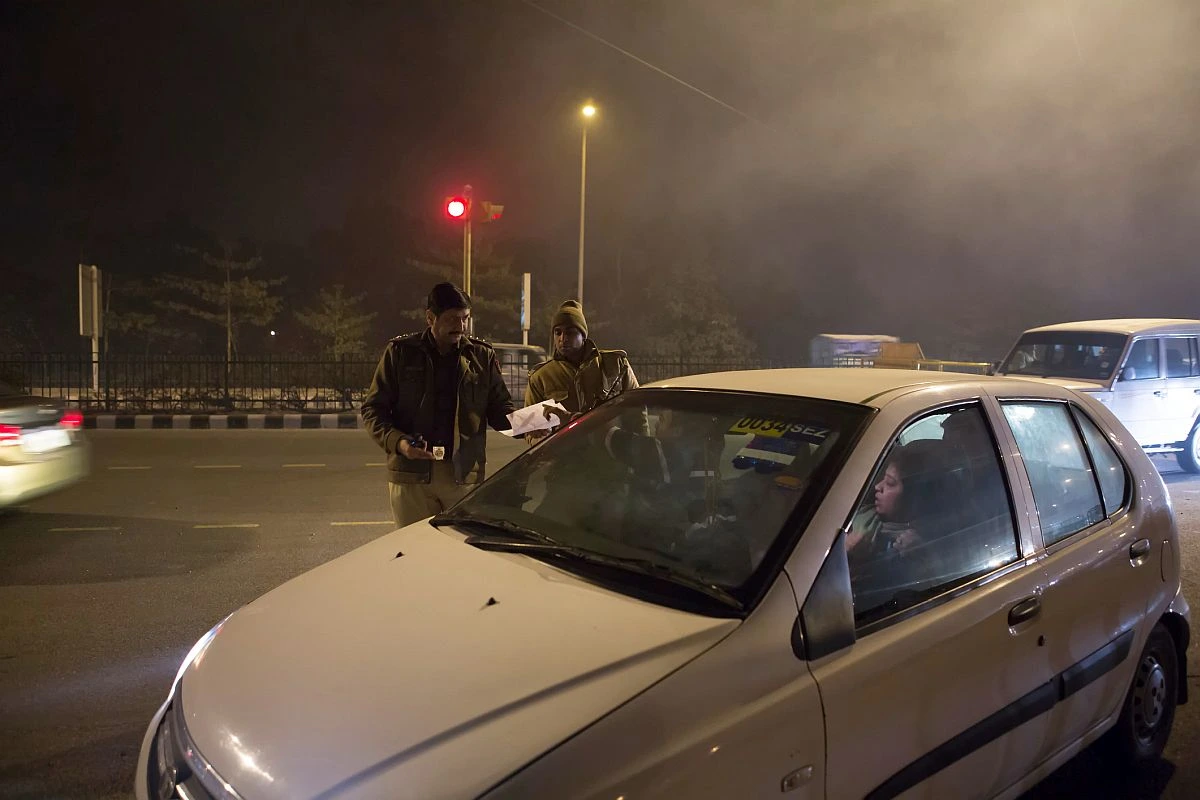
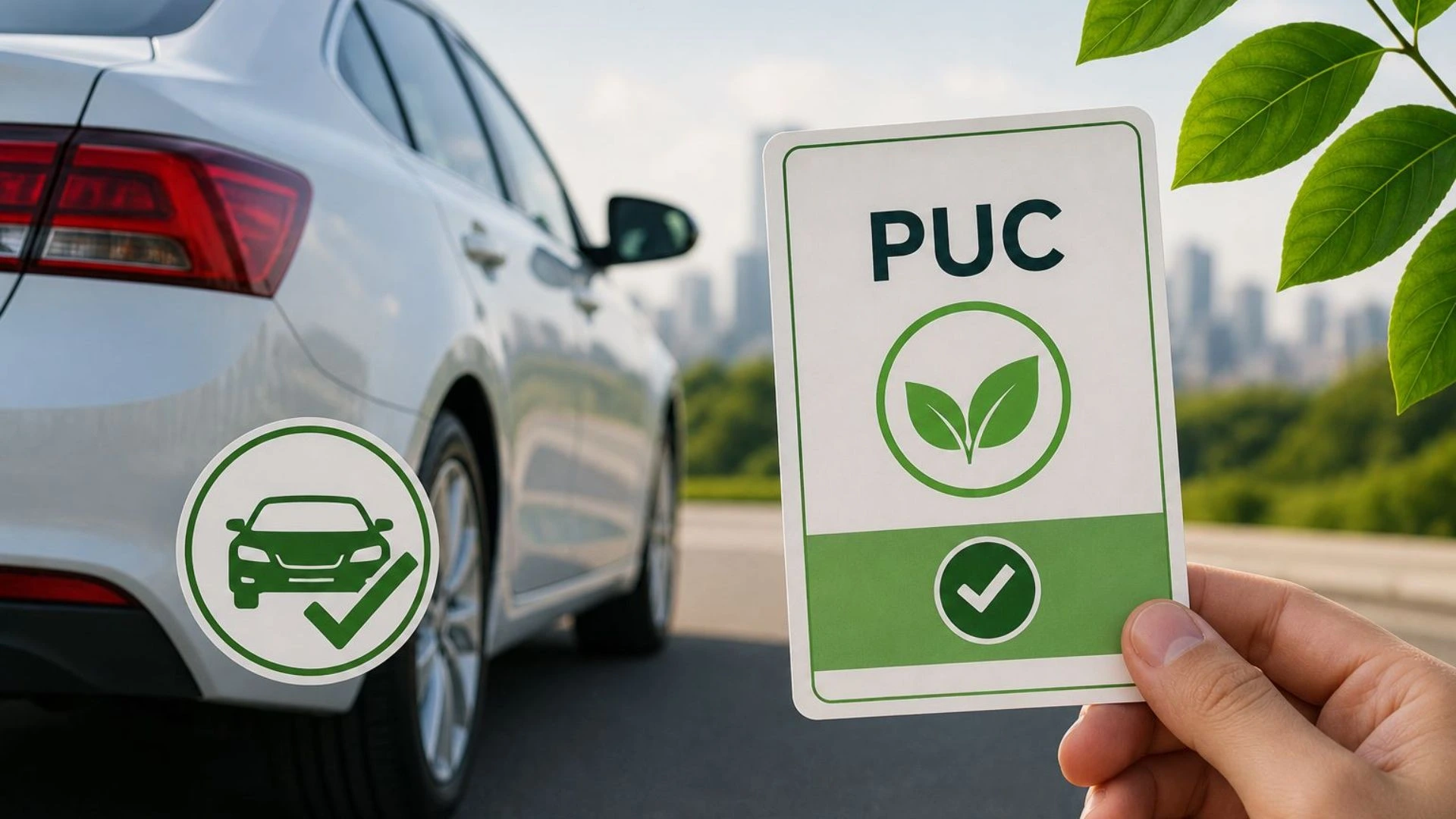
▼The validity of a Pollution Under Control Certificate for BS6 cars less than six years old may soon be extended up to three years. The Indian government is considering a new framework to ease compliance for owners of newer, cleaner vehicles. Under this proposal, owners of modern private cars will no longer need to undergo stressful annual emission renewals at local testing centers.
A Major Overhaul for the Emission Certification Regime
The Ministry of Road Transport and Highways is evaluating a shift in the certification of vehicular emissions. The central government is drafting a fresh set of rules designed to extend the validity of the Pollution Under Control Certificate for private vehicles. This update aims to reduce the annual compliance burden on citizens driving modern, environmentally compliant machines.
The proposed policy recognizes the cleaner emissions profile of Bharat Stage 6 vehicles. Because these advanced vehicles feature superior onboard diagnostic systems, their emissions remain highly stable over their initial years of service.
Proposed Validity Structure Across Age Brackets
The new regulatory framework establishes clear distinctions based on vehicle age. Instead of a blanket one-year rule, the system introduces a tiered approach to reward owners of newer models while maintaining strict environmental oversight.
The proposed changes outline specific validity timelines for private car owners:
- Vehicles Under Six Years Old: Extended certificate validity of up to three years.
- Vehicles Aged Six to Ten Years: Standard annual renewal cycle is required.
- Vehicles Over Ten Years Old: Thorough testing every six months due to age wear.
This tiered approach ensures regulatory resources target highly polluting older machinery.
Rules for Commercial Vehicles and Testing Tightness
This upcoming relaxation applies primarily to private vehicles. The government maintains a stricter protocol for commercial transport models due to continuous, high-mileage operation.
For commercial operators, the rule structure will be adjusted:
- Newer Commercial Fleets: Vehicles up to six years old see validity increased up to two years.
- Older Commercial Fleets: Vehicles crossing the six-year threshold fall under standard schedules.
Alongside validity extensions, transport officials are tightening the testing process. New software solutions will minimize human manipulation in pollution readings, ensuring real-world tailpipe emissions match the data uploaded to the centralized database portal.
Clear Breakdown of the Proposed Validity Timelines
The grid below organizes the upcoming certification rules across various vehicle categories to help owners understand their specific compliance cycles:
|
Vehicle Classification and Age Profile |
Proposed Validity Term |
|
Private BS-VI cars under 6 years old |
Up to 3 years |
|
Private BS-VI cars between 6-10 years old |
1-year annual renewal |
|
Private vehicles older than 10 years |
6-month renewal cycle |
|
Commercial BS-VI vehicles under 6 years old |
Up to 2 years |
|
Commercial vehicles older than 6 years |
Standard annual or bi-annual cycle |
Promoting Electric Mobility and the Scrappage Incentive
This emission monitoring overhaul aligns with India's green mobility goals, accompanying an updated electric vehicle policy designed to incentivize full electric models and hybrids.
Easier documentation for clean BS6 vehicles encourages users to retire aging fleets. Car owners can also avail of a scrappage bonus when trading in vehicles over fifteen years old to buy modern alternatives at subsidized rates.
Conclusion
Extending the pollution certificate validity up to three years for newer BS6 cars represents a highly progressive step in transport administration. By matching administrative rules with modern engineering realities, the government cuts red tape for citizens while focusing strictly on clearing highly polluting vehicles off Indian roads.
Neha Mehlawat
Neha Mehlawat is an automotive journalist and industry analyst with 10+ years of experience covering cars, bikes, and mobility trends. She tracks the latest launches, technology upgrades, and policy changes in the auto sector, delivering sharp insights that help readers stay ahead in the fast-evolving world of automobiles.
_1736240197.webp)