Table of Content
▼Hyundai Motor Company has officially revealed its next-generation infotainment platform, named the Pleos Connect system. Scheduled to begin rolling out in May 2026, this advanced software will power future Hyundai, Kia, and Genesis vehicles. Built upon the Android Automotive OS, it promises a highly intuitive smartphone-like experience featuring split screen functionality and the new Gleo AI voice assistant for ultimate driver convenience.
Core Features and User Interface Design
The new platform revolves around three core pillars, which are intuitiveness,s safety, and openness. The brand has meticulously designed the software to feel instantly familiar to anyone who uses a modern smartphone, offering lightning-fast response times and a beautifully clean layout. By moving toward a software-defined vehicle strategy, the automaker ensures that cars remain fresh and updated for years.
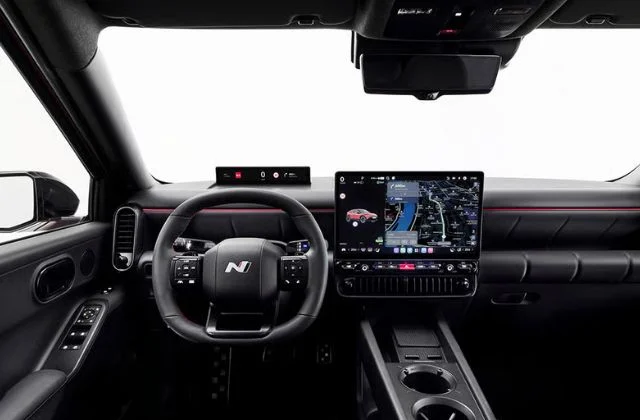
The central screen layout is intelligently divided into three specific sections.
- A dedicated driving information screen.
- An app screen for media and navigation tools.
- A bottom bar for quick access to recently used functions.
To further improve safety and reduce driver distraction, the automaker has smartly retained physical buttons on the steering wheel and just below the main screen. Additionally,y a slim secondary display is positioned directly ahead of the driver to show crucial readouts like vehicle speed, active media, and turn-by-turn navigation.
Advanced AI and Seamless Personalization
The Power of Gleo AI
At the very center of this new ecosystem is Gleo A, which serves as the brand-new artificial intelligence-powered voice assistant. Built on a large language model, Gleo AI handles vehicle controls and convenience functions naturally. Future updates will expand its capability across a much wider range of applications and connected services, making natural conversations with your car a reality.
Pleos ID and Pleos Playground
To make every drive unique, the system introduces Pleos ID. This personalized user profile stores your specific preferences, such as seat position, infotainment layout,t and navigation habits. Because it is cloud-based, you can carry these personal settings across any compatible Hyundai Motor Group vehicle, perfectly suited for families with multiple cars.
Furthermore, the company is opening up the platform to external developers through the Pleos Playground ecosystem. This integrated app marketplace allows owners to download various applications directly to their cars, transforming the dashboard into a fully customizable smart device. Multi-window support allows users to run different apps simultaneously.
Implementation Timeline and Future Goals
The software update is much more than just a digital refresh; it represents an early preview of the future cabin design direction for the entire automotive group. With the inclusion of over-the-air software updates, the manufacturer can continuously add new features and improve system performance long after the car has been delivered to the customer.
Conclusion
The introduction of the Pleos Connect system marks a massive milestone for Hyundai Motor Company. By leveraging Android Automotive O, advanced Gleo AI, and the highly customizable Pleos Playground, the automaker is perfectly setting the stage for a truly software-defined vehicle era. Starting in May 2026, drivers can expect a dramatically improved,d highly connected, and effortlessly intuitive cabin experience.
Also Read This |
|
|---|---|
|
Mercedes-Benz CLA Scores 5-Star Euro NCAP Rating with 94% Adult Safety Score |
Volkswagen ID.Polo Debuts Globally with 454km Range and 208bhp |
Neha Mehlawat
Neha Mehlawat is an automotive journalist and industry analyst with 10+ years of experience covering cars, bikes, and mobility trends. She tracks the latest launches, technology upgrades, and policy changes in the auto sector, delivering sharp insights that help readers stay ahead in the fast-evolving world of automobiles.

_1790231017.webp)