Table of Content
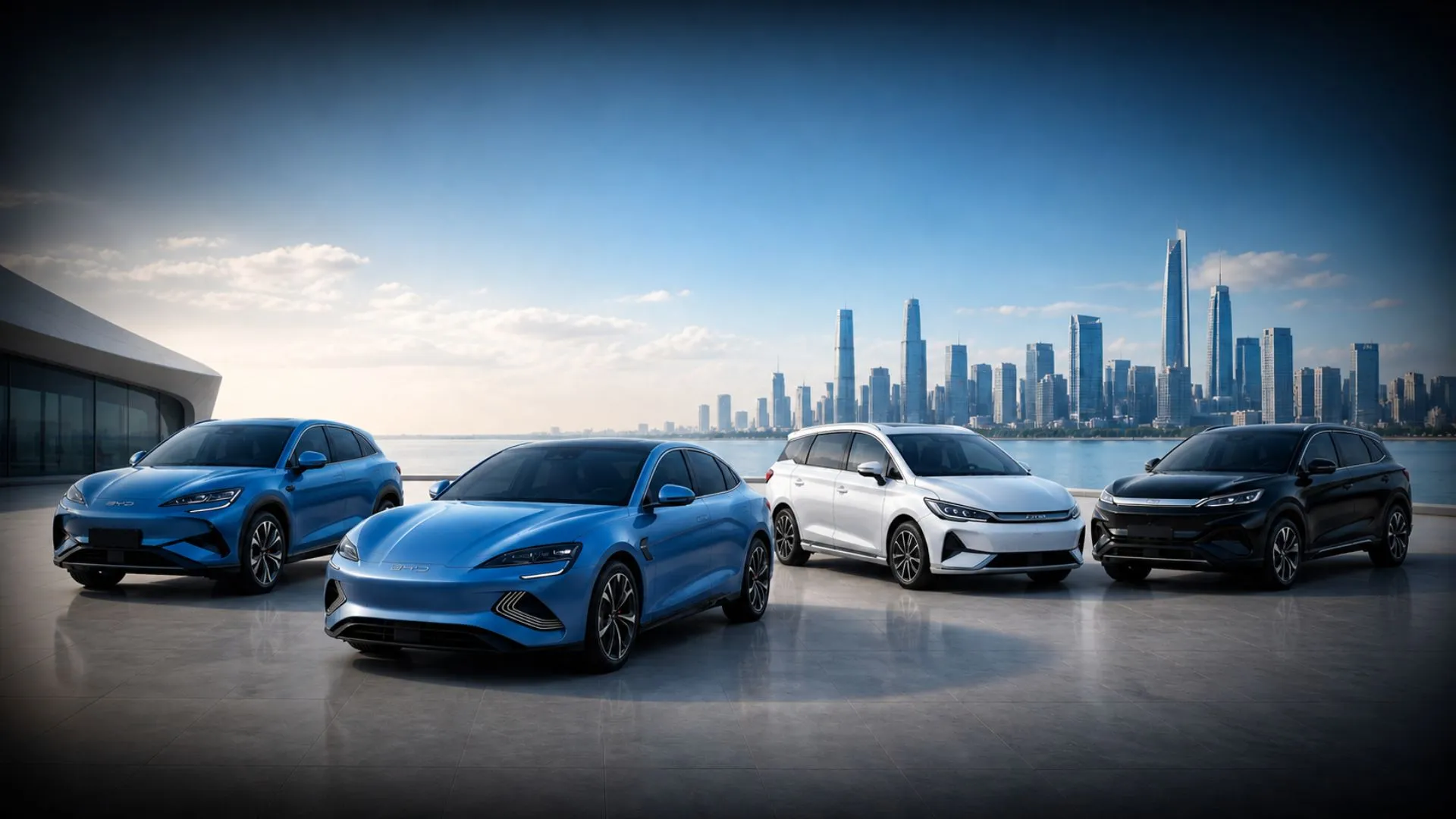
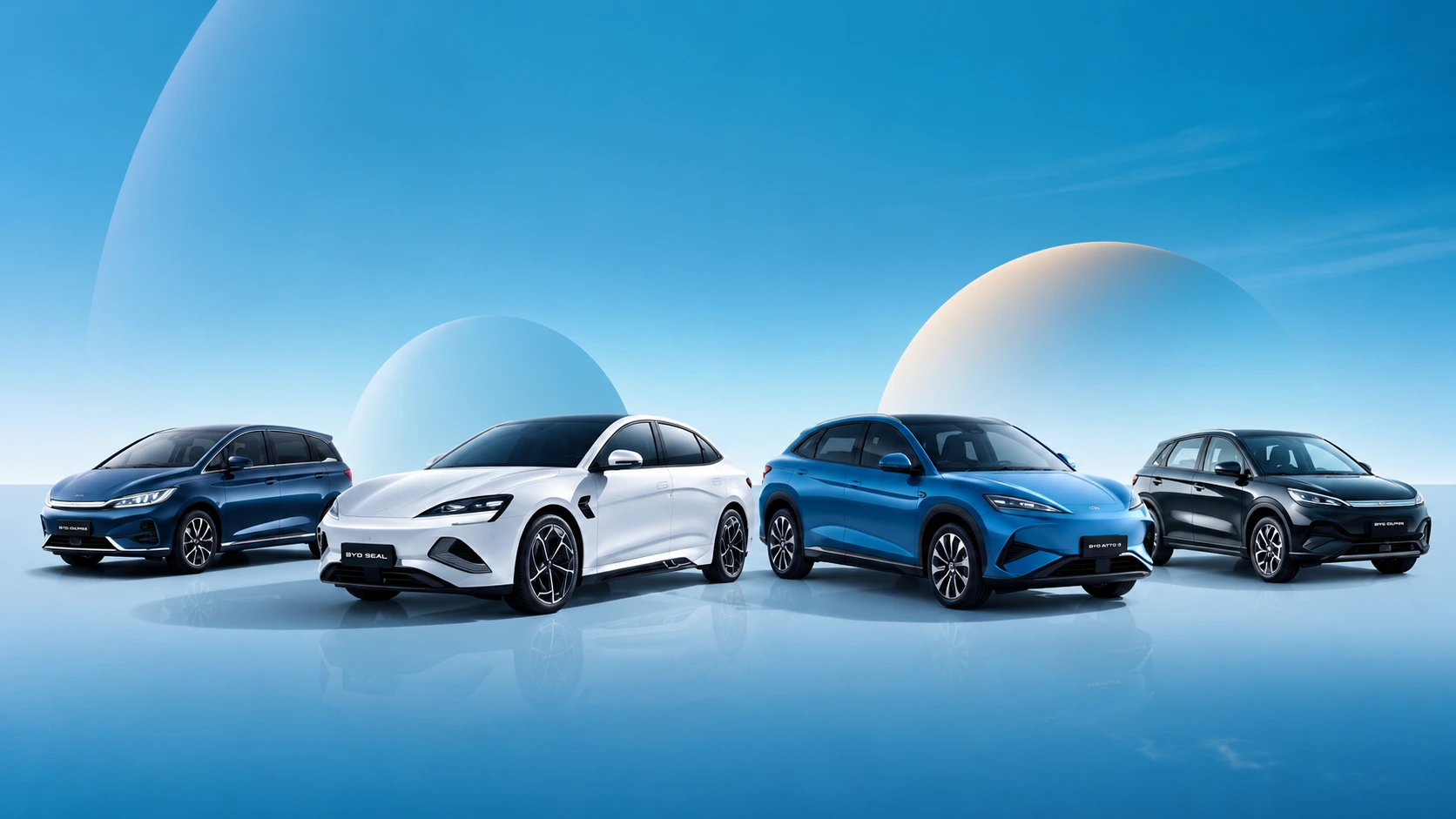
▼BYD India has officially implemented a price increase of up to Rs 1 lakh across select variants of its electric passenger vehicle lineup, effective July 1, 2026. This price revision ranges from Rs 50000 to Rs 100000 for specific models, including the Atto 3, Seal, and Sealion 7, driven primarily by escalating input costs and inflationary pressures in the Indian automotive market.
Understanding the BYD India Price Revision
The recent price correction by the global electric vehicle giant marks a strategic adjustment in its domestic operations. While the brand has enjoyed highly positive sales momentum across the country, external economic factors have forced a recalibration of its premium product catalog.
Affected Models and Variants
The upward price revision specifically targets premium tiers within the electric passenger vehicle portfolio. Buyers will notice the price adjustments spread across the following vehicles:
- BYD Atto 3: Select premium variants see an upward revision.
- BYD Seal: The luxury electric sedan gets a price adjustment on specific trims.
- BYD Sealion 7: The sportier performance crossover experiences a cost increase.
Unaffected Models
To protect value-conscious buyers, the company has left certain segments completely untouched. Specific entry level trims of the popular Atto 3 SUV remain at their original launch prices. Furthermore, select core variants of the premium electric multi-purpose vehicle, the BYD eMAX 7, are entirely excluded from this price hike.
Reasons Behind the Price Increase
Automakers globally face fluctuating market dynamics, and BYD India is no exception. Brand executives highlighted multiple compounding factors that made this decision necessary for long-term operations.
The primary drivers behind the price hike include:
- Rising Input Costs: The raw materials required for high-capacity battery packs and advanced electric drivetrains have grown more expensive.
- Inflationary Pressures: Broader macroeconomic inflation has elevated manufacturing and logistical overheads across the industry.
- Infrastructure Investments: The brand continues to inject significant capital into expanding its regional dealership footprint and localized charging support ecosystems.
Rajeev Chauhan, the Head of the Electric Passenger Vehicles Business at BYD India, explained that these adjustments support continued investments in technology, network expansion, and customer experience. He emphasized that the brand remains deeply focused on delivering advanced sustainable mobility while maintaining a premium ownership experience.
Also Read: https://autonexa.com/byd-seal-u-debuts-in-india-with-plug-in-hybrid-tech
Introduction of New eMAX 7 Comfort Variants
Alongside the announcement of the price adjustments, the manufacturer introduced an exciting update to add value for family vehicle buyers. The brand officially rolled out the new Comfort variants for the eMAX 7 lineup.
These freshly introduced variants start from Rs 27.90 lakh ex-showroom. The standout feature is a heavily upgraded battery pack boasting a large capacity of 71.8 kWh. This enhancement significantly boosts the overall driving range, making the spacious multi-purpose vehicle an even more attractive option for highway touring and urban commutes alike.
Comparative Model Price Adjustments
This price movement reflects a broader trend across the Indian automotive landscape, where top original equipment manufacturers like Maruti Suzuki, Tata Motors, Mercedes-Benz, and Kia India have similarly adjusted prices to counter rising costs.
The table below summarizes how the price revision affects the current vehicle portfolio:
|
Electric Vehicle Model |
Price Revision Range |
General Adjustment Status |
|
BYD Atto 3 |
Rs 50,000 - Rs 1,00,000 |
Impacted on Select Top Trims |
|
BYD Seal |
Rs 50,000 - Rs 1,00,000 |
Select Luxury Variants Affected |
|
BYD Sealion 7 |
Rs 50,000 - Rs 1,00,000 |
Dynamic Performance Trims Adjusted |
|
BYD eMAX 7 |
No Price Hike |
Base Trim Unaffected / New Variants Added |
Conclusion
The implementation of the BYD India price hike shows that even the electric vehicle sector must adapt to global inflationary realities. However, by leaving base models untouched and introducing an upgraded 71.8 kWh battery pack to the eMAX 7 Comfort series, the automaker successfully balances necessary business adjustments with exceptional consumer value, ensuring they remain a top contender in the premium green market.
Neha Mehlawat
Neha Mehlawat is an automotive journalist and industry analyst with 10+ years of experience covering cars, bikes, and mobility trends. She tracks the latest launches, technology upgrades, and policy changes in the auto sector, delivering sharp insights that help readers stay ahead in the fast-evolving world of automobiles.
_1781081488.webp)